Urgent

Why Your Connecticut Roof Is Leaking After a Nor'easter — And What To Do Right Now

A nor'easter hit Connecticut last night, and this morning there is a water stain spreading across your ceiling or water dripping around a light fixture.

FAQ

How Long Does a Roof Last in Connecticut? Honest Answers by Material Type

One of the most common questions Connecticut homeowners ask when scheduling a roof inspection or getting a replacement estimate is simple: how long should a new roof last? The honest answer is that...

FAQ

Does Homeowner's Insurance Cover Roof Damage in Connecticut? What You Need to Know

After a storm damages your Connecticut roof, one of the first questions most homeowners ask is whether their insurance will cover the repair or replacement cost.

Guide

Metal Roofing vs. Asphalt Shingles in Connecticut: Which Is the Right Choice for Your Home?

When Connecticut homeowners start getting roofing estimates, they frequently encounter their first significant decision before a single shingle is ordered: asphalt shingles or metal roofing? Both...

Guide

Roof Replacement vs. Repair in Connecticut: How to Make the Right Call

When a Connecticut homeowner calls us after discovering a roof leak or storm damage, one of the first questions we get is: do I need to replace the whole roof, or can it be repaired? It is a...

Guide

How to Choose a Roofing Contractor in Connecticut: 7 Things to Check Before You Sign

After a storm damages your Connecticut roof — or when you decide it is time for a planned replacement — you will likely receive multiple contractor estimates.

A nor'easter hit Connecticut last night, and this morning there is a water stain spreading across your ceiling or water dripping around a light fixture. This is one of the most urgent situations a Connecticut homeowner faces — because what looks like a small leak from inside the house is often the result of a roof system failure that will get significantly worse with the next rain event if it is not identified and stabilized quickly. Connecticut's nor'easters are not gentle storms. They produce sustained wind speeds of 40 to 60 mph with gusts exceeding 80 mph along the coast, wind-driven rain at pressures that expose every weakness in a roof system, and sometimes hail or ice that causes impact damage invisible from the ground. If your Connecticut roof is leaking after a nor'easter, there are four likely causes — and knowing which one you are dealing with determines how urgent the repair is and what stabilization steps you can take right now while you wait for a licensed contractor to assess the damage.

Shingle Loss or Displacement — The Most Visible Cause

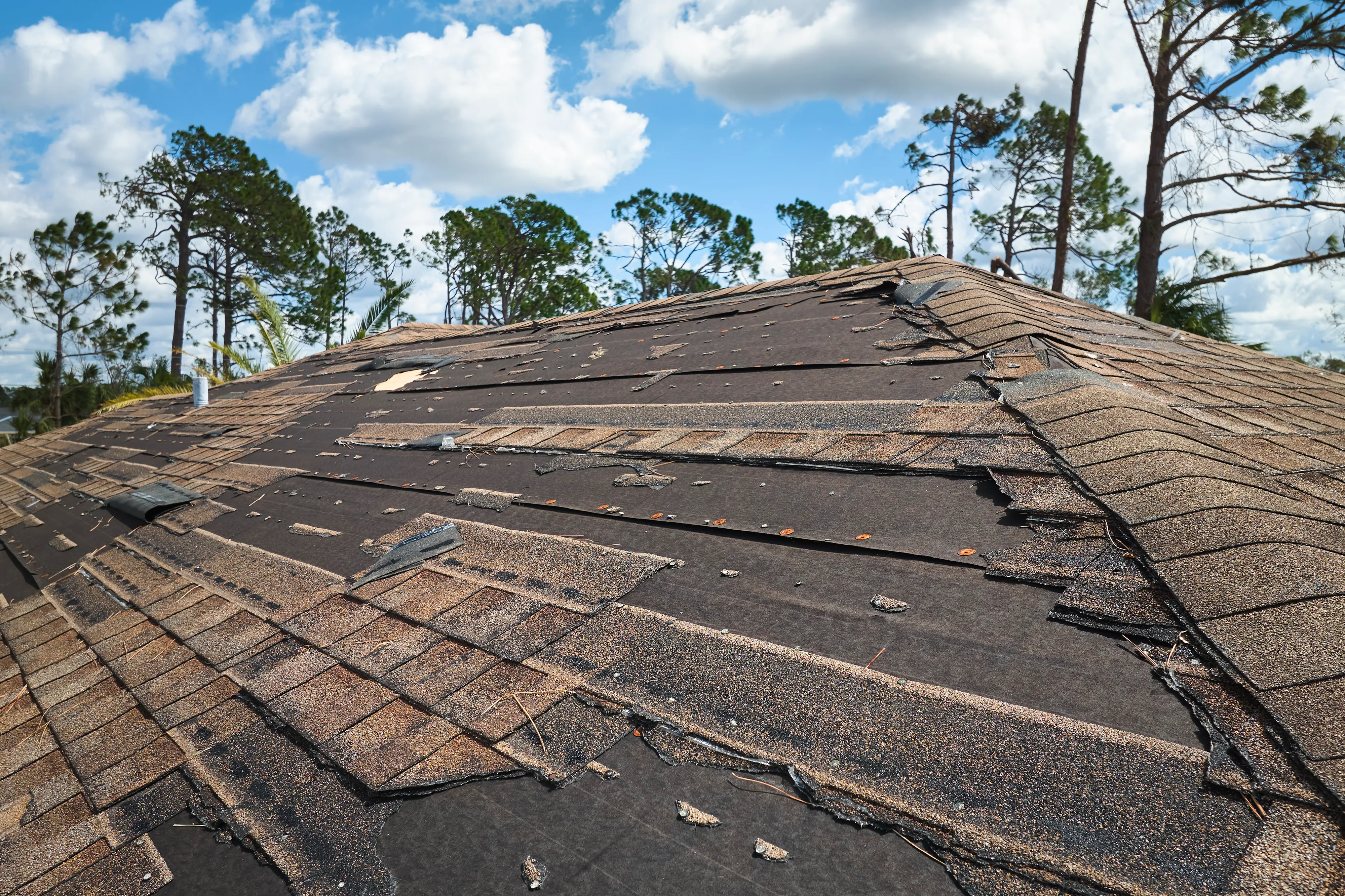
Nor'easter winds create uplift pressure on roof shingles that acts from below the shingle rather than pushing from above. When wind drives under the leading edge of a shingle — particularly shingles that have lost adhesive bond from age or improper installation — it lifts the shingle and tears it free from the nails that hold it. A single missing shingle section exposes the underlayment beneath directly to wind-driven rain, and Connecticut's nor'easter rain is not falling straight down — it is being driven horizontally at significant pressure. The underlayment may hold for one storm event, but it is not a long-term waterproofing system, and if multiple shingles are missing, the underlayment may already be compromised. From inside your home, shingle loss typically appears as a water stain directly below the affected roof section. From the ground — and only from the ground, not by walking on a wet or damaged roof — you may be able to see the darker patches of exposed underlayment or the gaps where shingles were.

Flashing Failure — The Invisible Leak Source

Flashing is the metal assembly that seals roof penetrations — chimneys, skylights, vents, and the intersections between roof sections at valleys. It is also the most common source of Connecticut roof leaks that homeowners cannot diagnose from below. Nor'easter wind pressure acts on flashing in two ways: it pushes against vertical flashing faces like chimney counter flashing, and it drives water under any gap in the step flashing-to-shingle interface. Standard galvanized flashing corrodes over time in Connecticut's climate — coastal homes experience accelerated corrosion from salt air — and corroded flashing develops pinholes and separation gaps that are invisible from the ground but allow significant water entry during the sustained pressure of a nor'easter. If your Connecticut roof leak appears to be coming from around a chimney, skylight, or at a point where two roof sections meet, flashing failure is the most likely cause. This type of repair requires an experienced contractor who can assess the full flashing assembly from the roof surface.

Ice Dam Formation — A Specific Connecticut Winter Problem

Ice dams are a specifically Connecticut winter roofing problem that nor'easters can initiate or worsen significantly. When snow accumulates on a Connecticut roof during a nor'easter and then the temperature cycles above and below freezing — a pattern Connecticut's winter weather produces regularly — snow melts at the warm roof deck and refreezes at the cold eave. The ice dam that forms prevents meltwater from draining off the roof, and backed-up water finds its way under shingles and through the roof deck into the attic and ceiling below. Ice dam leaks in Connecticut typically appear as ceiling stains near exterior walls or near the eave line — not in the center of the ceiling where a shingle or flashing failure would appear. Ice dams are not a surface repair problem — they indicate an attic ventilation or insulation issue that must be addressed to prevent recurrence. Emergency remediation involves careful ice removal by a professional and interior stabilization, not a surface patch.

What To Do Right Now While You Wait for Help

The most important thing you can do when you discover a Connecticut roof leak after a nor'easter is to document it and protect the interior — not attempt roof repairs yourself. Interior protection: place buckets under active drips, move furniture and valuables away from wet areas, and use plastic sheeting to protect flooring. Documentation: photograph the interior water damage from multiple angles, including the ceiling stain, any active dripping, and any visible exterior damage you can see safely from the ground. Contact your homeowner's insurance company to report the storm damage — most Connecticut policies require prompt notification. Contact a licensed Connecticut roofing contractor for an emergency assessment. Expert Roofing Restoration LLC provides 24/7 emergency response throughout Connecticut, deploying assessment crews as quickly as conditions allow. Do not attempt to access a wet or damaged roof yourself — the risk of injury is significant, and disturbing damaged sections before professional assessment can complicate the insurance claim process.

FAQ

Frequently Asked Questions

Is my roof leak covered by homeowner's insurance after a nor'easter?

Most Connecticut homeowner's insurance policies cover sudden and accidental storm damage — including wind damage, hail damage, and ice dam-related damage when caused by a specific storm event. Contact your carrier promptly and document all damage before any temporary repairs are made.

How quickly can I get a contractor to assess my Connecticut roof after a storm?

Expert Roofing Restoration LLC provides 24/7 emergency response throughout Connecticut. We deploy assessment and tarping crews as quickly as conditions allow following major storm events — typically same-day for active leaks when weather permits safe roof access.

Can I put a tarp on my roof myself while waiting for a contractor?

Only if you can safely access the roof from a ladder at the eave without walking on the damaged surface. Temporary tarping is effective when done correctly, but walking a damaged or wet roof without proper safety equipment significantly increases the risk of serious injury.

How long does an emergency roof repair take in Connecticut after a nor'easter?

Emergency tarping and stabilization can typically be completed in one to two hours for a standard residential property. Permanent repair scheduling depends on the scope of damage, material availability, and the volume of storm damage calls following a major nor'easter.

What if my roof was already old before the nor'easter — will insurance still cover it?

Insurance coverage applies to the sudden and accidental damage caused by the storm event, not to pre-existing deterioration. A professional damage assessment separates storm-caused damage from pre-existing conditions — critical for maximizing your claim coverage.

Get Started

Get Emergency Roof Help in Connecticut — Available 24/7

Don't wait. Active roof leaks get worse with every rain event. Call Expert Roofing Restoration LLC for a same-day assessment and emergency stabilization anywhere in Connecticut.

One of the most common questions Connecticut homeowners ask when scheduling a roof inspection or getting a replacement estimate is simple: how long should a new roof last? The honest answer is that it depends — on the material selected, the installation quality, the specific climate exposure of the property, and how consistently the roof is maintained after installation. Connecticut's climate is harder on roofing materials than many homeowners realize. The state's four-season extremes — sub-zero winter temperatures in inland cities like Torrington and Waterbury, humid summers, significant annual snowfall, and the coastal salt air that affects Bridgeport, Milford, Norwalk, and Stamford — create performance demands that shorten the lifespans manufacturers publish for moderate climates. A material rated for 30 years in a temperate Southeast market may realistically deliver 22 to 25 years in Connecticut's climate if installed correctly and maintained regularly. Here is an honest breakdown of what each major roofing material can realistically deliver in Connecticut's specific conditions.

Architectural Asphalt Shingles: The Connecticut Standard

Architectural asphalt shingles are the most commonly installed residential roofing material in Connecticut for good reason — they offer the best balance of cost, performance, and design flexibility for the state's climate. A properly installed architectural shingle roof in Connecticut can realistically be expected to deliver 20 to 30 years of service life, depending on installation quality, attic ventilation, and the specific exposure conditions of the property. Coastal Connecticut properties — in Bridgeport, Milford, Norwalk, and Stamford's Shippan peninsula — typically see the lower end of this range because salt air and elevated wind loads accelerate shingle granule loss and flashing corrosion. Inland high-elevation properties — particularly in Torrington and surrounding Litchfield County communities — see accelerated deterioration from heavy snowfall and severe freeze-thaw cycling. The middle of the range — 23 to 27 years — is realistic for most inland New Haven County and Hartford County properties with adequate attic ventilation and regular maintenance.

Metal Roofing: The Long-Term Investment for Connecticut

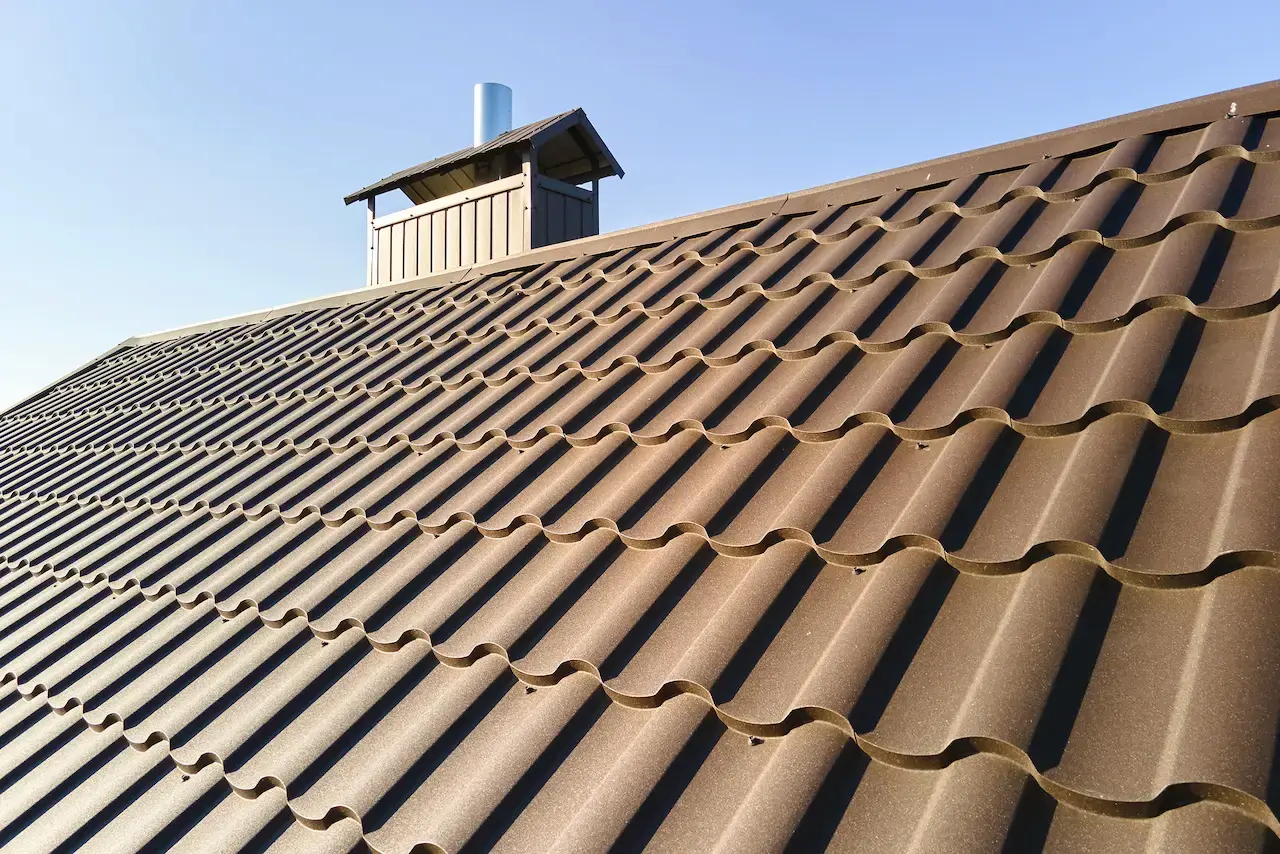
Standing seam metal roofing is the premium roofing choice for Connecticut homeowners who want to install a roof they will likely never have to replace again. Metal roofing installed correctly in Connecticut realistically delivers 40 to 70 years of service life — a timeframe that eliminates the one to two replacement cycles that asphalt shingle roofs require during the same period. Metal roofing's performance advantages in Connecticut's specific climate are particularly compelling: it sheds snow by gravity rather than accumulating it at the eaves where ice dams form, it handles Connecticut's freeze-thaw cycling without the granule loss and cracking that shingles experience, and its painted or Kynar-coated finish resists the salt air corrosion that shingles and flashing deteriorate from in coastal Connecticut communities. For inland high-elevation cities like Torrington, where heavy snowfall creates the ice dam and snow load conditions that test shingle systems most severely, metal roofing's snow management performance alone often justifies the premium investment.

Flat Roof Systems: TPO, PVC, and EPDM in Connecticut

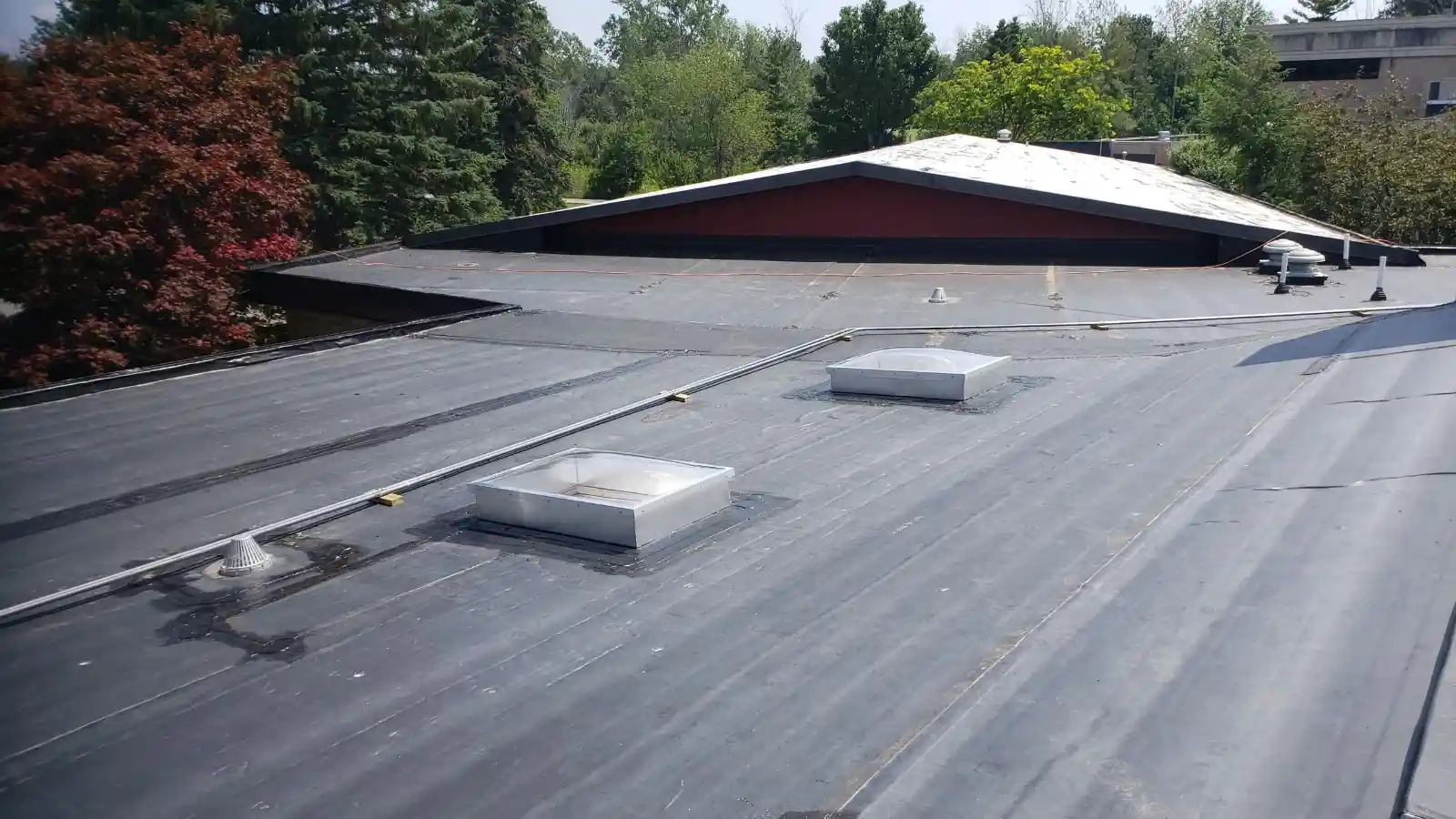
Flat and low-slope roofing systems — common on Connecticut garage roofs, commercial sections of residential buildings, and additions — use membrane materials rather than shingles, and their lifespans vary significantly by material type and installation quality. EPDM rubber membrane, the most commonly installed flat roofing material in Connecticut, realistically delivers 15 to 25 years when properly installed with appropriate seam bonding and drainage. TPO and PVC membranes are more modern single-ply systems that deliver similar or slightly longer service lives — 20 to 30 years for quality installations — with better heat reflectivity that reduces cooling loads in Connecticut's hot summers. All flat roofing systems in Connecticut are more sensitive to installation quality than pitched shingle roofing — improper seaming, inadequate drainage design, and incorrect fastening are the primary failure modes that cut service life dramatically short. Drainage design is particularly critical in Connecticut, where heavy rainfall and rapid snowmelt produce the ponding conditions that accelerate membrane deterioration.

What Shortens a Connecticut Roof's Lifespan Most

Poor attic ventilation is the single most significant factor that shortens roofing system lifespan in Connecticut — regardless of material type. Inadequate ventilation traps heat and moisture in the attic, which degrades shingles from below through heat and moisture cycling, creates the ice dam conditions that drive water infiltration in winter, and accelerates the deterioration of every roof system component from inside the assembly. A new roof on a poorly ventilated attic will underperform its design life significantly — sometimes by five to ten years on a 25-year shingle system. The second most significant lifespan factor is installation quality: incorrect fastening, missed flashing details, improper underlayment, and inadequate ice and water shield coverage all shorten the effective service life of any Connecticut roofing material regardless of the product's nominal design life. The combination of correct attic ventilation and quality installation is what actually delivers the manufacturer's rated lifespan in Connecticut's demanding climate.

FAQ

Frequently Asked Questions

How do I know if my Connecticut roof needs replacement rather than repair?

A licensed roof inspection provides the honest assessment you need. General indicators for replacement: the roof is over 20 years old, more than 25% of the shingle surface shows granule loss or damage, multiple areas are leaking rather than a single isolated failure, or the decking shows moisture damage. Below these thresholds, repair is typically more economical.

Does the quality of the shingle brand matter in Connecticut?

Yes, meaningfully. Premium architectural shingles with impact resistance ratings (Class 4) and higher wind ratings (Class H, 130+ mph) perform significantly better in Connecticut's hail-prone interior and coastal wind environments than entry-level products. The price difference is modest relative to total installation cost.

How does salt air in coastal CT cities affect roof lifespan?

Salt air accelerates corrosion of metal flashing, fasteners, and drip edge — the components whose failure drives water infiltration. Coastal Connecticut properties in Bridgeport, Milford, Norwalk, and Stamford typically see 15 to 20% shorter effective service life from asphalt shingles compared to inland properties at similar ages.

What shortens a Connecticut roof's lifespan most?

Poor attic ventilation is the single most significant factor. It traps heat and moisture, degrades shingles from below, and creates ice dam conditions. The second most significant factor is installation quality — incorrect fastening, missed flashing details, and inadequate ice and water shield coverage all reduce effective service life regardless of material quality.

Does a new roof increase home value in Connecticut?

Yes. A new roof consistently ranks among the improvements that return the highest value relative to cost in Connecticut real estate. In New Haven and Fairfield County markets — where buyer inspection contingencies are common — a new warranted roof eliminates the most frequently cited exterior maintenance concern and supports sale prices at the upper end of the comparable range.

Get Started

Get a Free Roofing Assessment in Connecticut

Not sure whether your Connecticut roof needs repair or replacement? Our licensed crew provides a written inspection report with honest findings and clear recommendations — no obligation.

After a storm damages your Connecticut roof, one of the first questions most homeowners ask is whether their insurance will cover the repair or replacement cost. The answer is almost always yes — for storm damage — but the details of what is covered, how much you will receive, and what documentation you need to support a complete claim are more nuanced than most Connecticut homeowners realize. Connecticut's insurance landscape for roofing includes all of the major national carriers plus Connecticut-based insurers, and while policy language varies, the fundamental coverage principle is consistent: sudden and accidental damage from covered perils — wind, hail, ice, falling trees, and lightning — is covered. What is not covered is gradual deterioration, poor maintenance, and damage that existed before the policy was in force. Understanding this distinction — and the documentation that proves your damage falls on the covered side — is the key to maximizing your Connecticut roof insurance claim. This article explains what Connecticut homeowners need to know, and what a professional contractor does to help navigate it.

What Connecticut Homeowner's Insurance Covers for Roofing

Standard Connecticut homeowner's insurance policies cover roofing damage from named storm perils — wind, hail, ice accumulation, lightning, and falling objects including trees. These are the perils that Connecticut's weather produces regularly: nor'easters with wind speeds exceeding 60 mph, hail events from summer severe thunderstorms, ice storm damage in inland cities like Waterbury and Torrington, lightning strikes on chimneys and roof surfaces, and fallen trees from storm events. Coverage applies to sudden and accidental damage from these events — not to damage that developed gradually over time from material aging or deferred maintenance. The documentation burden for establishing that damage was storm-caused rather than pre-existing falls largely on the homeowner and their contractor. A professional roofing assessment that identifies the specific storm event correlation for each damaged component, photographs all damage from the roof surface, and provides a written scope specifying all materials and labor is the documentation package that converts a denied or underpaid claim into a fully approved settlement.

What Connecticut Insurance Does NOT Cover

Understanding what Connecticut homeowner's insurance excludes from roofing coverage is as important as knowing what it covers. Gradual deterioration — the progressive failure of shingles, flashing, and sealants from normal aging and weathering — is not a covered peril. If your Connecticut roof is 25 years old and has been deteriorating for a decade, the insurance adjuster will assess what portion of observed damage is storm-caused versus pre-existing. Damage that resulted from lack of maintenance — blocked gutters causing water backup under shingles, unsealed penetrations that allowed progressive infiltration, or delayed repair of known damage — is generally excluded as a maintenance failure. Cosmetic damage — surface staining, granule loss that has not compromised waterproofing — may not meet the threshold for covered damage under some Connecticut policies. The critical documentation distinction is between sudden event-correlated damage and gradual cumulative deterioration — and a professional contractor's assessment makes this distinction clearly in the written scope.

How Expert Roofing Helps With Your Connecticut Insurance Claim

Our role in the Connecticut homeowner insurance claim process is to provide the professional assessment, documentation, and adjuster communication that maximizes the completeness and accuracy of your claim settlement. We inspect every component of the storm-damaged Connecticut roof from the roof surface — not from the ground — and document all damaged components with close-range photographs that clearly show storm causation rather than pre-existing deterioration. Our written scope of work specifies every material and labor component required for complete restoration, with quantities and Waterbury market-rate pricing that gives the adjuster a complete and credible repair cost basis. We communicate directly with Connecticut insurance adjusters throughout the claim process, answer technical questions about the scope, and advocate for complete claim coverage rather than the minimum settlement that an undocumented self-report often receives. This insurance claim support is part of how we serve Connecticut homeowners on every storm damage project — at no extra charge.

Replacement Cost vs. Actual Cash Value in Connecticut

One of the most important distinctions in Connecticut roof insurance claims is whether your policy provides replacement cost value (RCV) or actual cash value (ACV) coverage for your roof. RCV policies pay the full cost of replacing the damaged roof with like kind and quality materials at current market prices — the most favorable coverage for Connecticut homeowners facing significant roof damage. ACV policies apply depreciation to the roof's age and condition, paying only the depreciated value of the damaged material rather than the cost to replace it. For a 20-year-old Connecticut asphalt shingle roof, ACV coverage might pay 30 to 50 cents on the dollar compared to what RCV coverage would provide for the same damage. Reviewing your policy's Coverage A declarations page before a storm season — and upgrading to RCV coverage if you currently have ACV — is one of the most cost-effective insurance decisions a Connecticut homeowner can make.

FAQ

Frequently Asked Questions

How long do I have to file a roof damage claim in Connecticut?

Connecticut insurance policies typically require prompt notification of storm damage — most specify 60 to 180 days from the damaging event. Filing as quickly as possible is always better. Delayed claims create the burden of proving the damage occurred during the claimed storm event rather than a subsequent one.

Should I get a roofing estimate before calling my insurance company?

Getting a professional roofing assessment before or simultaneously with contacting your carrier is advisable. It gives you an independent, accurate damage assessment before the adjuster arrives. The adjuster's initial estimate is frequently incomplete, and a contractor's counter-documentation is what corrects underpaid settlements.

What happens if the insurance adjuster's estimate is lower than the contractor's?

This is a common situation in Connecticut storm damage claims. Your contractor and the adjuster can communicate directly to reconcile scope differences. If the gap is significant, your policy's appraisal clause provides a formal dispute resolution mechanism.

Do you charge extra for helping with insurance claims in Connecticut?

No. Expert Roofing Restoration LLC provides insurance claim documentation, adjuster communication, and claim support as part of our standard storm damage service — at no additional cost to Connecticut homeowners. Any contractor charging a percentage of your claim settlement as a fee is operating outside Connecticut's standard contracting norms.

What if my Connecticut roof was old — will insurance pay for full replacement?

If your policy provides replacement cost value (RCV) coverage, you are entitled to replacement with like kind and quality regardless of age. Actual cash value (ACV) policies apply depreciation. Review your policy's Coverage A declarations page for the specific terms that apply to your Connecticut property.

Get Started

Get a Free Storm Damage Assessment in Connecticut

Our licensed crew documents your storm damage thoroughly, communicates with your adjuster, and ensures your Connecticut roof insurance claim reflects the full scope of covered damage.

When Connecticut homeowners start getting roofing estimates, they frequently encounter their first significant decision before a single shingle is ordered: asphalt shingles or metal roofing? Both systems are legitimate choices for Connecticut's climate, and both have distinct advantages that make the decision more nuanced than cost alone. Asphalt shingles are what most Connecticut homes have — familiar, widely available, and significantly less expensive upfront. Metal roofing is increasingly popular in Connecticut, particularly in higher-elevation inland communities like Torrington and Waterbury where snow performance matters, and in coastal communities like Stamford and Milford where salt air resistance and storm durability justify the premium. The right choice depends on how long you plan to stay in the home, your property's specific climate exposure, your budget for the installation versus your tolerance for future replacement, and what performance characteristics matter most to you. This article provides an honest, side-by-side comparison without a sales agenda for either product.

Cost Comparison: Upfront Investment and Total Lifecycle Cost

The upfront cost difference between metal roofing and architectural asphalt shingles in Connecticut is significant — typically 2.5 to 3.5 times more for a standing seam metal roof installation compared to premium architectural shingles on the same house. For a typical Connecticut colonial with 2,000 square feet of roof area, asphalt shingles might cost $14,000 to $22,000 installed, while standing seam metal ranges from $28,000 to $45,000. The comparison changes meaningfully when viewed over a 50-year horizon. Asphalt shingles in Connecticut realistically require replacement every 20 to 28 years — meaning a homeowner living in their Connecticut home for 50 years will pay for two to three roof replacements. A metal roof installed today will likely outlast the current ownership period entirely. When the cost of one to two future shingle replacements is added to the initial cost, the total lifecycle cost of the two systems converges significantly — and in many cases, metal roofing becomes the more economical choice over the full ownership period.

Snow Performance: The Critical Connecticut Climate Factor

Snow performance is where metal roofing earns its premium most clearly for Connecticut inland homeowners. Metal roofing sheds snow by gravity — the smooth surface allows snowpack to slide off as it begins to melt, rather than accumulating at the eaves where ice dams form. Metal roofs in Connecticut's high-snowfall communities — Torrington, Waterbury, Bristol, and surrounding areas — almost never develop ice dams, while the same houses with asphalt shingles regularly do. For Connecticut coastal homeowners where snow accumulation is lower, this advantage is less decisive. Metal roofing also handles the weight of heavy wet snow — a Connecticut late-winter occurrence — without the structural loading concerns that heavy snow accumulation creates on older asphalt shingle systems. Snow guards installed at strategic intervals on metal roofs prevent uncontrolled snow slides that could damage gutters or create safety hazards at entry areas below the eave.

Durability, Maintenance, and Storm Performance

Metal roofing's storm durability in Connecticut's coastal and nor'easter environment exceeds asphalt shingles in every measurable category. Wind ratings for standing seam metal roofing typically exceed 120 mph — significantly above the 130 mph ratings of the best architectural shingles, and dramatically above the standard shingle's 60 to 110 mph range. Metal roofing does not suffer hail impact damage in the same way shingles do — hail leaves cosmetic dents in some metal profiles but does not compromise waterproofing the way shingle granule loss from hail does. Metal roofing requires minimal maintenance — periodic inspection of sealants at penetrations and fastener inspection on exposed-fastener systems — compared to asphalt shingles that need periodic inspection for granule loss, cracking, and curling. For Connecticut homeowners who want a roofing system that simply performs for decades without ongoing attention, metal delivers in a way that no asphalt product matches.

Which Choice Is Right for Your Connecticut Property?

Metal roofing is the clear choice for Connecticut homeowners in high-snowfall inland communities — Torrington, Waterbury, Bristol, and Litchfield County broadly — where ice dam prevention and snow load management justify the premium. It is equally compelling for coastal Connecticut properties in Bridgeport, Milford, Norwalk, and Stamford's Shippan peninsula, where salt air resistance and elevated wind durability provide performance advantages that premium shingles cannot fully match. Architectural shingles remain the right choice for Connecticut homeowners with a medium-term planning horizon — planning to sell within 10 to 15 years — where the lower upfront cost and the significant performance improvement over whatever existing system is being replaced provide excellent value without requiring the full lifecycle commitment that metal roofing's premium justifies. Both choices are legitimate for Connecticut's climate when specified correctly, installed with proper flashing and moisture management, and matched to the homeowner's actual planning horizon.

FAQ

Frequently Asked Questions

Is metal roofing louder than shingles during Connecticut rain and hail?

Modern metal roofing installed over solid decking is not noticeably louder than asphalt shingles during rain. The solid decking and attic insulation beneath the panels absorb sound effectively. The loud rain noise associated with metal applies to agricultural buildings without solid decking — not to residential metal roofing systems.

Does metal roofing increase home value in Connecticut more than shingles?

Metal roofing commands a premium in Connecticut's real estate market — buyers recognize the long service life and reduced future replacement cost. The premium is most pronounced in Fairfield County's higher-value markets where buyers are sophisticated about building quality and long-term maintenance.

Can metal roofing be installed over existing asphalt shingles in Connecticut?

In some cases, yes — over existing shingles using a furring strip or underlayment system. However, we recommend complete tear-off in most Connecticut applications to allow deck inspection and correction, proper moisture barrier installation, and code-compliant work.

How long does a metal roof installation take on a Connecticut home?

A standard Connecticut residential metal roofing installation typically takes three to seven days depending on roof complexity, pitch, and total area. Connecticut's weather can extend timelines if significant precipitation occurs during the project.

What color metal roofing works best in Connecticut?

Darker colors — charcoal, dark bronze, and black — are popular in Connecticut and help with snow shedding in winter by absorbing more solar radiation. Lighter colors provide better summer heat management. Kynar-coated factory finishes last 35 to 40 years without repainting.

Get Started

Get Your Connecticut Roofing Estimate — Metal or Shingles

Our licensed crew provides written estimates for both options on your specific Connecticut property, with honest lifecycle cost comparison to help you make the right decision.

When a Connecticut homeowner calls us after discovering a roof leak or storm damage, one of the first questions we get is: do I need to replace the whole roof, or can it be repaired? It is a reasonable question, and the honest answer requires an actual inspection rather than a phone estimate. The repair-versus-replacement decision depends on several factors that only a licensed contractor can assess from the roof surface: the age and remaining service life of the existing system, the extent of damage relative to the total roof area, the condition of the underlying deck, the quality of the original installation, and the homeowner's time horizon for the property. What we can tell you is that the guidance the internet provides on this question frequently oversimplifies it — either pushing premature replacement that is not warranted, or recommending repeated repairs on systems that have clearly reached end of life. This guide provides the honest framework we use to make this determination for Connecticut homeowners across all of our service areas.

When Repair Is the Right Answer

Roof repair is the economically correct choice when the damage is isolated, the roof system has significant remaining service life, and the underlying deck and insulation system are in sound condition. A Connecticut roof that is 12 years old with a single flashing failure at a chimney base — and no other performance issues — does not need replacement. The flashing can be repaired, the inspection confirms the surrounding system is sound, and the repair extends the roof's service life without the cost of full replacement. Similarly, a roof with localized shingle loss from a wind event — where the surrounding shingles are in good condition and the deck shows no moisture damage — is a repair candidate rather than a replacement candidate. The repair threshold we apply: if the damaged area is less than 25% of the total roof surface, the roof is less than 15 to 18 years old, the deck shows no moisture damage, and there is a single failure mode rather than multiple simultaneous issues — repair is generally the right answer.

When Replacement Is the Right Answer

Replacement becomes the economically correct choice when repair costs approach or exceed the cost of replacement amortized over the replacement's expected service life, or when the existing system's condition means that repairs will be followed by more repairs in rapid succession. A Connecticut roof that is 22 years old with granule loss across 40% of the surface, three active leak locations, and deck moisture staining from years of water infiltration is not a repair candidate — it is a system that has reached end of life and will require replacement within the next one to three winters regardless of what targeted repairs are made today. Attempting to extend this roof's life through repeated repairs costs more in aggregate than the replacement and provides inferior protection in the interim. Multiple simultaneous failure modes, deck deterioration, and age within five years of the expected design life are the primary indicators that replacement is the more economical path even when the immediate damage appears localized.

The Insurance Claim Factor in Connecticut

For Connecticut homeowners with storm damage, the repair-versus-replacement decision is sometimes resolved by the insurance claim process rather than by the homeowner's own analysis. When storm damage is extensive enough to trigger a replacement-level claim — typically when damage affects more than 25 to 30% of the total roof area, or when the adjuster determines that matching the existing material across the undamaged area is not feasible — insurance will cover replacement rather than repair. Connecticut's building code requirements also affect this determination: if a repair triggers code compliance requirements for the full roof, the cost of code-compliant repair can approach replacement cost, making full replacement the practical choice. Our role in Connecticut storm damage claims is to document the full extent of damage accurately, communicate with the adjuster about the complete scope, and advocate for the coverage level — repair or replacement — that the actual conditions warrant.

How to Get an Honest Assessment in Connecticut

The most important step in making the right repair-versus-replacement decision for a Connecticut roof is getting an honest assessment from a licensed contractor with no financial incentive to favor one answer over the other. Expert Roofing Restoration LLC provides written inspection reports that clearly state our findings and our recommendation — repair or replacement — with the specific conditions that support that recommendation. We do not push replacement when repair is the correct answer, and we do not recommend continued repair when a system has clearly reached end of life. Our written reports include the roof age and condition assessment, the identified failure modes and their locations, the deck condition findings, and the specific thresholds that drove our recommendation. Connecticut homeowners who read our inspection reports know exactly why we are recommending what we are recommending — and can make an informed decision rather than taking a contractor's word for it without supporting documentation.

FAQ

Frequently Asked Questions

Can I do a partial roof replacement in Connecticut?

Yes. If one slope of a Connecticut roof is significantly more deteriorated than others — common on south-facing slopes that receive maximum sun exposure — a partial replacement can be cost-effective. Matching shingle color is the primary challenge, as existing shingles fade over time and new shingles from the same line will show some color variation initially.

How many layers of roofing can a Connecticut house have?

Connecticut building code generally allows up to two layers of asphalt shingles before full tear-off is required. A house with existing two-layer shingles requires complete tear-off and deck inspection before new material is installed — no exceptions on code-compliant work.

What happens if I keep repairing an old Connecticut roof instead of replacing it?

Repeated repairs on a Connecticut roof past its service life typically cost more in aggregate than replacement would have, provide declining protection between repair events, and fail to address the deck and insulation conditions that allow moisture damage to accumulate.

How do I know if my Connecticut roof deck needs replacement?

Deck assessment during tear-off is the only reliable method. Visible signs before tear-off: sagging between rafters from the attic, soft spots when pressure is applied at the surface, and active moisture staining visible in the attic. We assess and document deck condition during every Connecticut tear-off.

Should I replace my Connecticut roof before selling my house?

A pre-sale roof replacement on a Connecticut home typically returns its full cost in increased sale price and reduced time on market. The alternative — selling with an aging roof and accepting buyer inspection contingencies and price reduction requests — frequently costs more than proactive replacement.

Get Started

Get an Honest Repair vs. Replacement Assessment in Connecticut

Our licensed Connecticut crew tells you what your roof actually needs — not the most expensive option. Free written inspection report with honest findings.

After a storm damages your Connecticut roof — or when you decide it is time for a planned replacement — you will likely receive multiple contractor estimates. In Connecticut's residential roofing market, these estimates can vary by thousands of dollars for what appears to be the same scope of work, and a significant portion of that variation reflects the difference between licensed, insured, quality-focused contractors and unlicensed or underqualified operators who are bidding work they are not equipped to perform correctly. Connecticut homeowners who choose contractors based on price alone frequently discover the true cost of that decision when the low-bid installation fails within a few years, when insurance claims are complicated by unlicensed installation records, or when a worker is injured on their property without workers' compensation coverage. The Connecticut Department of Consumer Protection licenses home improvement contractors, and roofing work in Connecticut requires a valid license. Before you sign any roofing contract in Connecticut, checking these seven items will protect you from the most common hiring mistakes.

Licensing, Insurance, and Workers' Compensation — The Non-Negotiables

Every roofing contractor working in Connecticut must hold a valid Home Improvement Contractor (HIC) license from the Connecticut Department of Consumer Protection. Verifying a Connecticut contractor's license takes two minutes at the DCP's online license lookup — and the consequences of hiring an unlicensed contractor include voided manufacturer warranties, insurance claim complications, and potential personal liability for injuries on your property. Beyond the HIC license, your contractor must carry general liability insurance — which protects your property from damage the contractor causes — and workers' compensation insurance — which covers workers injured on your property. Without workers' compensation, an injured roofing worker can file a claim against the homeowner's property insurance, creating a liability exposure your policy may not fully cover. Requesting certificates of insurance before work begins is not unusual — any licensed Connecticut contractor provides them without hesitation. A contractor who resists providing insurance verification should not be given the job.

Written Contract, Scope of Work, and Permit Commitment

A licensed Connecticut roofing contractor provides a written contract specifying the exact scope of work — materials by manufacturer and product name, square footage being replaced, number of layers being removed, underlayment specification, flashing details, warranty terms, and cleanup commitments. Verbal agreements are not enforceable in Connecticut for home improvement work over $500, and a contractor who prefers to work on a handshake rather than a written contract should be avoided. The contract should also specify the permit commitment: any Connecticut roofing replacement that requires a building permit should be explicitly included in the scope. A contractor who suggests working without a permit to save money is asking you to accept personal liability for non-compliant work that will surface during property sales, insurance claims, and municipal inspections. Permit-compliant work protects you; unpermitted work protects no one.

Local References, Material Quality, and Storm Chase Warning Signs

A Connecticut roofing contractor with a genuine track record in your area should be able to provide references from recent projects in your region — homeowners you can call or addresses you can drive by to assess the quality of completed work. Material quality is another differentiator that written estimates make visible: compare the specific shingle manufacturer, product line, and warranty tier across competing estimates — a low bid using entry-level shingles is not comparable to a higher bid using premium architectural shingles with impact and wind ratings. Finally, be alert to the storm chase pattern: out-of-state contractors who appear in Connecticut after major nor'easters, solicit door-to-door, and offer to work immediately for a large deposit are among the most common sources of roofing fraud complaints in Connecticut's insurance claim season. Use licensed local contractors who you can verify and who will be there after the project is complete.

Five Additional Questions to Ask Every Connecticut Roofing Contractor

Beyond the three primary verification categories above, four additional questions separate quality Connecticut contractors from those who cut corners: Do you use your own crew or subcontractors? — quality contractors use consistent in-house crews, not rotating subcontractors whose work they cannot fully control. Will you pull the required permits? — the answer should be an unconditional yes. What is your warranty, and who backs it? — both the manufacturer's material warranty and the contractor's installation warranty should be specified in writing. How do you handle deck damage discovered during tear-off? — a transparent contractor specifies the per-sheet cost for deck replacement in the original estimate rather than surprising you with add-ons after tear-off has already begun. And finally: can I see certificates of insurance? — any hesitation to provide them immediately is a disqualifying answer.

FAQ

Frequently Asked Questions

How do I verify a roofing contractor's license in Connecticut?

Visit the Connecticut Department of Consumer Protection's license lookup at ct.gov/dcp and search by the contractor's name or license number. Verify that the license is current and has no disciplinary actions on record. This takes two minutes and is the most important verification step before signing any Connecticut roofing contract.

Should I pay a deposit before my Connecticut roofing project starts?

A deposit of 10 to 30% to cover initial material orders is standard practice in Connecticut roofing. Never pay more than 30% upfront, and never pay the full project cost before work is complete. Connecticut's Home Improvement Act provides consumer protections — read the provisions before signing.

What is a storm chaser contractor and how do I avoid them?

Storm chasers are contractors — often from out of state — who target Connecticut homeowners after major storms, offering quick estimates and insurance help in exchange for signed contracts before the homeowner can compare options. Avoid any contractor who cannot provide a Connecticut HIC license number immediately or who asks you to sign before providing a written estimate.

How many roofing estimates should I get in Connecticut?

Getting two to three estimates is standard practice for any significant Connecticut roofing project. Focus on comparing written scope details rather than headline price numbers, which can appear similar while concealing significant material and labor quality differences.

Can I use my homeowner's insurance to pay for the contractor's deductible?

No. Connecticut law prohibits contractors from waiving or paying a homeowner's insurance deductible as part of a roofing contract. This practice — sometimes marketed as 'free roofing' after insurance claims — constitutes insurance fraud in Connecticut.

Get Started

Get a Written Estimate from a Licensed Connecticut Roofing Contractor

Expert Roofing Restoration LLC is fully licensed, insured, and based in Waterbury. We provide written estimates, pull all required permits, and stand behind every project we complete.